Commercial Tree Trimming in Denver, CO
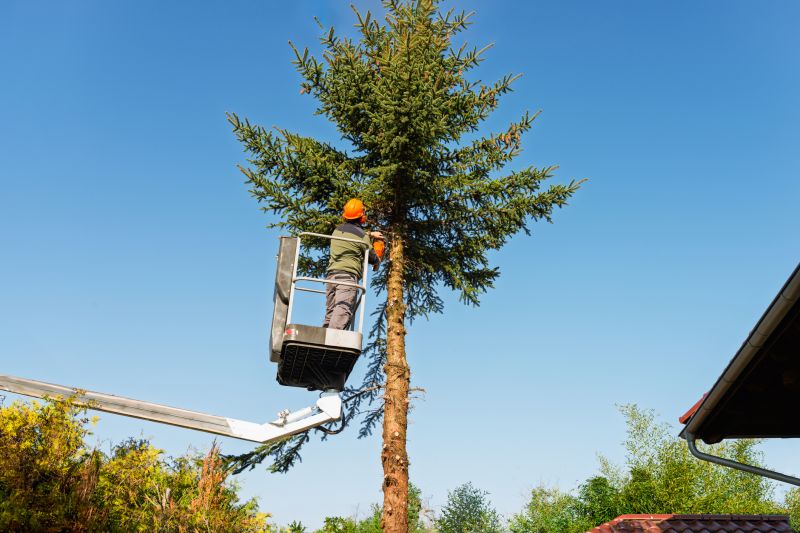
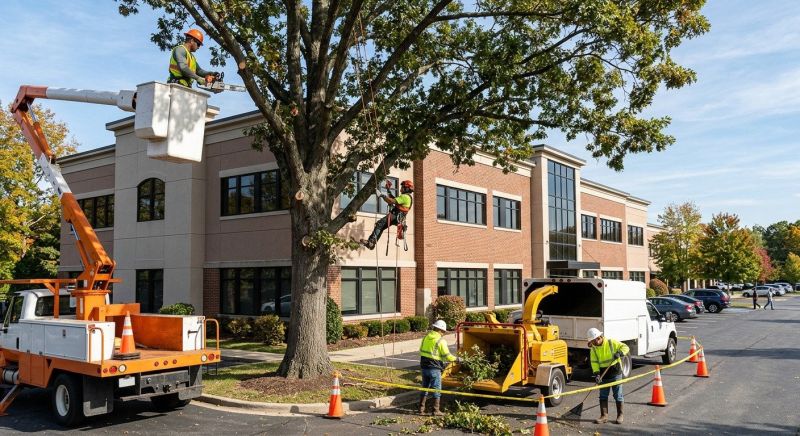
Commercial tree trimming services involve the careful pruning and shaping of trees on properties such as office parks, retail centers, and industrial sites. This service helps maintain the health and appearance of trees, reduces the risk of falling branches, and ensures that trees do not interfere with power lines, signage, or building structures. Projects can range from routine maintenance and crown thinning to removal of dead or hazardous limbs, as well as shaping trees for aesthetic purposes. Property owners typically want to understand the scope of trimming needed, how it can improve safety and appearance, and any considerations related to the timing or impact on their landscape.
Before requesting commercial tree trimming, property owners should consider the types of trees on their site, the condition of those trees, and specific goals such as safety, health, or visual appeal. It’s important to communicate any concerns about overgrown branches, proximity to utilities, or structural issues. Additionally, understanding the extent of trimming required and how it might affect the overall landscape can help in planning the project. Proper trimming can promote healthier growth and enhance the property's overall curb appeal.
Many property owners in Denver, CO look into Commercial Tree Trimming for repairs, replacements, upgrades, and appearance-related improvements.
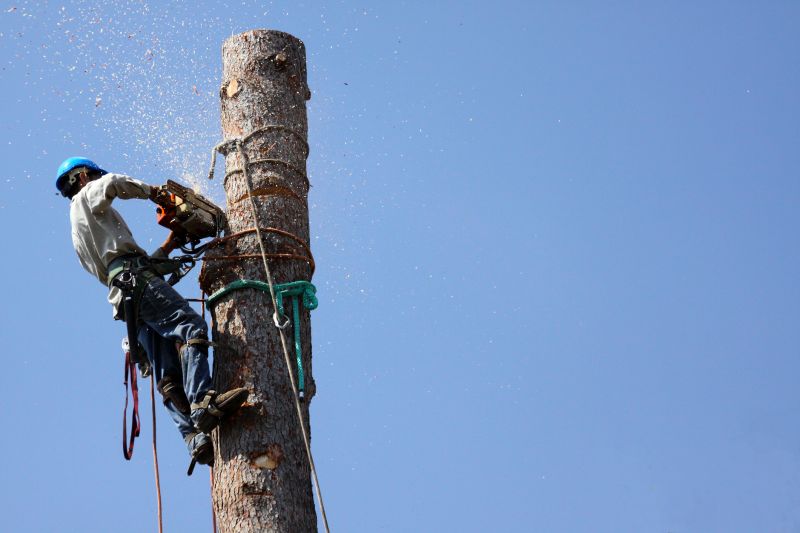
Tree Trimming For Safety
Removing overgrown branches helps prevent hazards around homes and commercial properties in denver.
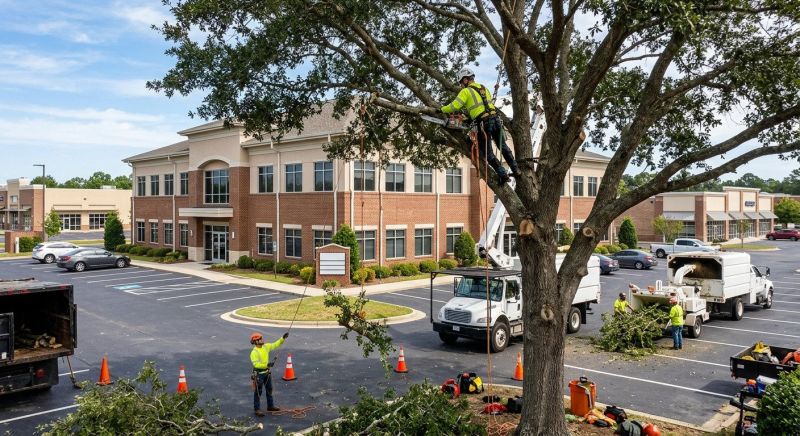
Enhancing Property Appearance
Proper trimming maintains the health and aesthetic appeal of trees, boosting curb appeal in the neighborhood.
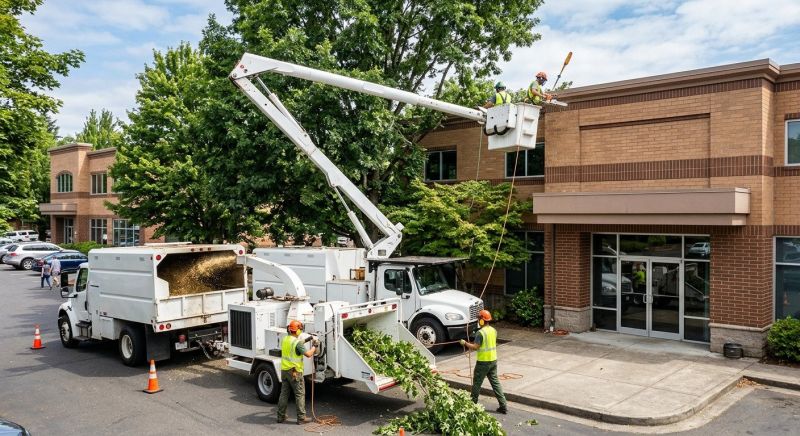
Preparing For Seasonal Changes
Regular pruning ensures trees are ready to withstand storms and harsh weather conditions in denver's climate.
Commercial Tree Trimming in Denver, CO
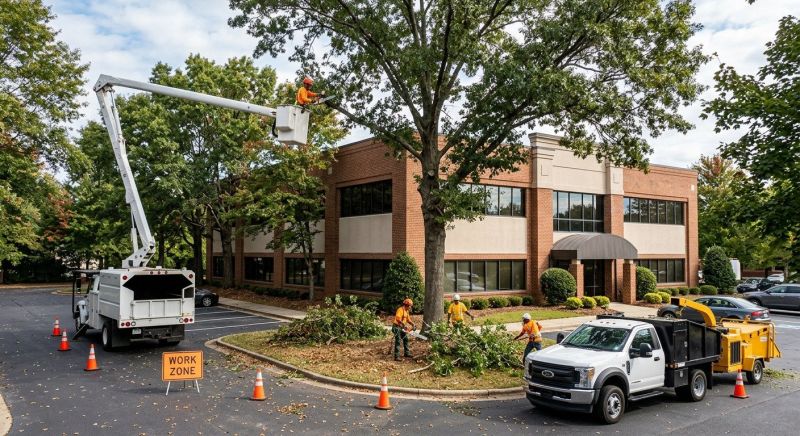
Commercial tree trimming services involve the careful pruning and shaping of trees on properties such as office parks, retail centers, and industrial sites. This service helps maintain the health and appearance of trees, reduces the risk of falling branches, and ensures that trees do not interfere with power lines, signage, or building structures. Projects can range from routine maintenance and crown thinning to removal of dead or hazardous limbs, as well as shaping trees for aesthetic purposes. Property owners typically want to understand the scope of trimming needed, how it can improve safety and appearance, and any considerations related to the timing or impact on their landscape.
Before requesting commercial tree trimming, property owners should consider the types of trees on their site, the condition of those trees, and specific goals such as safety, health, or visual appeal. It’s important to communicate any concerns about overgrown branches, proximity to utilities, or structural issues. Additionally, understanding the extent of trimming required and how it might affect the overall landscape can help in planning the project. Proper trimming can promote healthier growth and enhance the property's overall curb appeal.
Many property owners in Denver, CO look into Commercial Tree Trimming for repairs, replacements, upgrades, and appearance-related improvements.
Common Commercial Tree Trimming Jobs
Commercial Tree Trimming Services - professional pruning to maintain tree health and appearance.
Tree Crown Reduction - reducing the size of tree canopies to prevent overgrowth and property damage.
Deadwood Removal - eliminating dead or broken branches to improve safety and reduce disease risk.
Formative Pruning - shaping young trees to promote strong structure and long-term stability.
Storm Damage Cleanup - removing broken or fallen branches after severe weather events.
Tree Clearance for Buildings and Power Lines - trimming to ensure safe distance from structures and utility lines.
Commercial Tree Trimming Questions
What types of trees are suitable for trimming? Most common urban and landscape trees in Denver can benefit from trimming, including maples, oaks, pines, and fruit trees.
Why is tree trimming important for commercial properties? Regular trimming helps maintain tree health, improves safety by reducing hazards, and enhances the property's appearance.
When is the best time to schedule commercial tree trimming? The ideal time depends on the tree species, but generally late winter to early spring is suitable for most types before new growth begins.
What should property owners consider before trimming trees? It's important to assess the tree's condition, location, and potential impact on nearby structures or utilities before scheduling trimming.
Request Commercial Tree Trimming in Denver, CO
Use the quote form on this page to share the basics of your project and request more information for the type of work you need.